


How to Maintain Cast Iron Quickly After Cooking (Simple 60-Second Routine)
One of the biggest misconceptions about cast iron is that it requires a complicated maintenance process.
It doesn't.
Most of the time, maintenance can be done in about a minute once you understand what actually matters.
The Simple Maintenance Routine
This is the simple process many cast iron users follow after cooking:
- Remove food debris
- Rinse or wash if needed
- Dry completely
- Apply a thin oil layer
- Heat briefly
This routine focuses on the things that actually matter: removing moisture and maintaining protection.
Step 1: Remove Food Residue
Start by removing any leftover food from the pan.
This can often be done with a paper towel or scraper. If needed, warm water or soap can be used.
If you're unsure about using soap, you can read our guide on whether soap is safe for cast iron.
Step 2: Dry Completely
Water is the biggest cause of rust.
Drying thoroughly is more important than avoiding soap.
Many people towel dry first and then heat the pan briefly to remove any remaining moisture.
Step 3: Apply a Thin Oil Layer
After drying, apply a very thin layer of oil.
This protects the surface and helps maintain seasoning.
The key is using very small amounts. Too much oil can lead to sticky buildup instead of durable seasoning.
If you want to understand why oil choice matters, you can read our guide on why some oils season cast iron better than others.
Step 4: Heat Briefly
Heating helps the oil spread and begin bonding to the surface.
This doesn't require bringing the pan to full smoke point for daily maintenance.
Usually just heating until the pan is warm is enough.
If you'd like to understand why heating matters, see our guide on why heating cast iron after oiling matters.
Why Consistency Beats Perfection
The biggest difference between easy cast iron ownership and frustrating cast iron ownership is consistency.
You don't need perfect technique.
You just need a repeatable routine.
Small maintenance done regularly prevents most major problems.
What Makes Maintenance Difficult For Most People
Usually the difficulty isn't the process.
It's friction.
If maintenance feels complicated, people skip it.
If it's simple, people stay consistent.
This is why simplifying routines usually improves long-term cookware performance.
Making Maintenance Easier
Anything that makes applying thin oil layers simple tends to improve consistency.
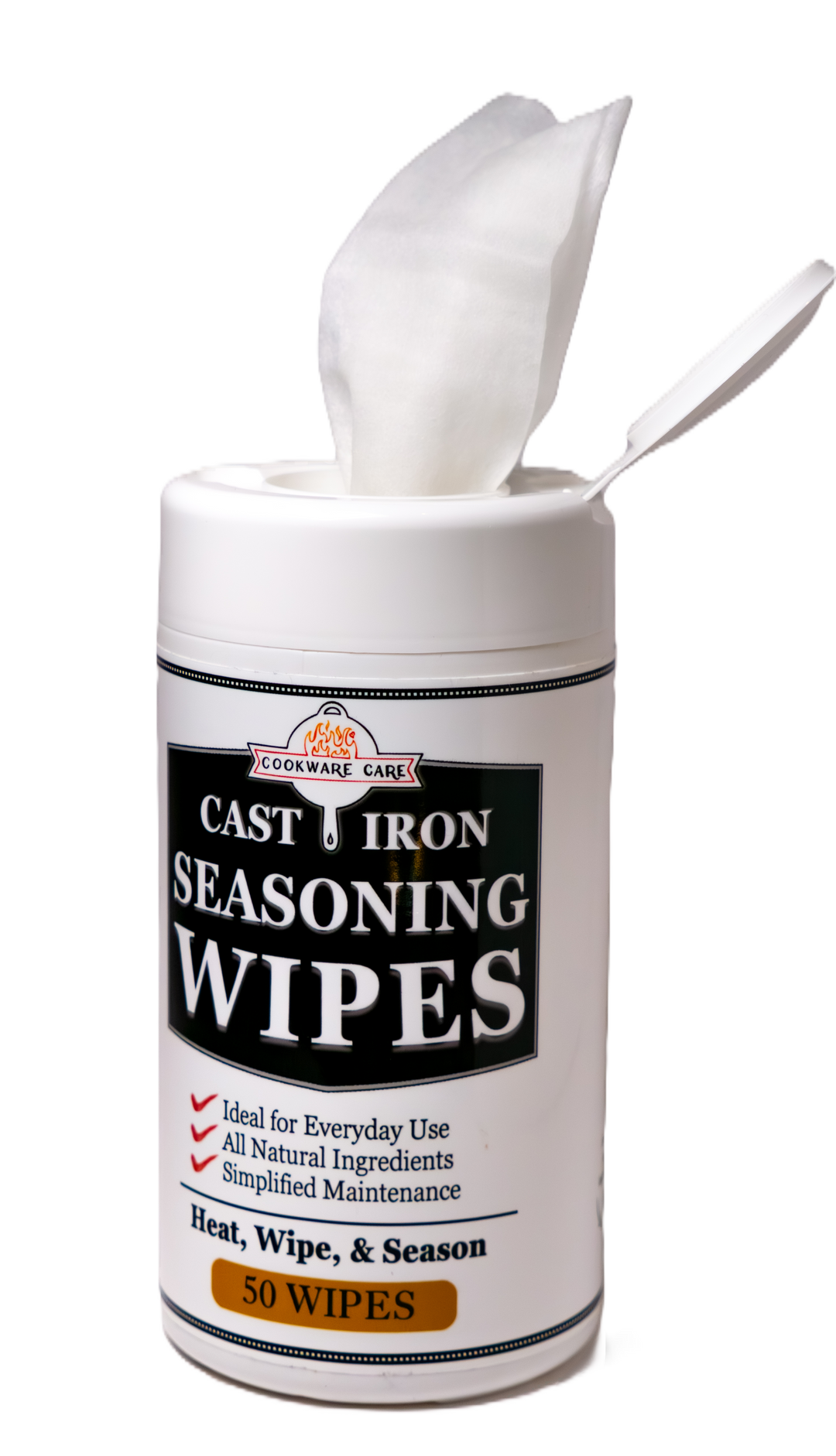
This is one of the reasons we developed Cookware Care Seasoning Wipes — to make applying controlled oil layers fast after cooking.
The goal isn't adding steps.
The goal is making the routine easier to stick with.
Common Mistakes That Slow People Down
Maintenance usually becomes frustrating when people:
- Use too much oil
- Skip drying
- Let water sit in the pan
- Overcomplicate the process
Most problems come from inconsistency rather than difficulty.
If you'd like to avoid these issues, see our guide on common cast iron mistakes.
Frequently Asked Questions
Do I need to do this after every cook?
Not always, but regular maintenance usually prevents bigger issues later.
How much oil should I use?
Very little. Just enough to lightly coat the surface.
Do I need special oil?
Oils that polymerize well tend to perform better for seasoning.
How long does this take?
Usually about a minute once the routine becomes familiar.
Related Cast Iron Guides
- The Simple Daily Cast Iron Routine
- Why Heating Cast Iron After Oiling Matters
- Common Cast Iron Mistakes
- Why Some Oils Season Cast Iron Better Than Others
About Cookware Care
Cookware Care focuses on simplifying cast iron maintenance through practical routines based on real-world use, product development experience, and daily cookware care.

Leave a comment