


Common Cast Iron Mistakes That Cause Rust and Sticky Pans
Most cast iron problems don't happen because someone did something wrong once.
They usually happen because of small habits repeated over time.
Rust, sticky seasoning, and buildup almost always trace back to a few common maintenance mistakes.
The good news is most of these problems are completely preventable once you understand what actually causes them.
Mistake #1: Leaving Moisture in the Pan
The biggest enemy of cast iron usually isn't soap or cooking certain foods.
It's moisture.
Rust happens when water is left on the surface or trapped in the microscopic texture of the iron.
This is why drying thoroughly and briefly heating the pan after cleaning makes such a difference.
If you're unsure what a good maintenance routine looks like, you can read our guide on the simple daily cast iron routine.
Mistake #2: Using Too Much Oil
More oil does not mean better seasoning.
Seasoning builds best through thin layers that polymerize properly rather than thick layers that stay soft or sticky.
Too much oil often causes:
- Sticky surfaces
- Uneven seasoning
- Gummy buildup
A good rule is to apply oil, then wipe off what looks like excess.
Mistake #3: Not Removing Food Residue Completely
Leftover food particles can slowly turn into carbon buildup.
This buildup may look like seasoning, but it behaves very differently.
Carbon buildup can cause:
- Flaking
- Rough texture
- Food sticking
- Uneven cooking surfaces
Cleaning thoroughly prevents this from happening.
Mistake #4: Skipping Maintenance After Messy Cooks
Some meals naturally require a little more attention afterward.
Examples include:
- Sugary foods
- Sticky sauces
- Heavy grease
- Acidic foods
This doesn't mean you shouldn't cook these foods. It just means routine maintenance afterward matters.
Mistake #5: Overcomplicating Cast Iron Care
Many people make cast iron harder than it needs to be.
Cast iron is actually very forgiving.
What matters most is:
- Cleaning
- Drying
- Thin oil layers
- Consistency
Simple routines usually prevent most cast iron problems.
What Most Cast Iron Problems Actually Come From
Most issues trace back to:
- Inconsistent maintenance
- Skipping drying
- Too much oil
- Ignoring buildup
Cast iron rarely fails because of one mistake. It usually declines slowly from small habits.
Why Cast Iron Is Forgiving
One of the best things about cast iron is that almost everything is fixable.
Rust can be removed.
Seasoning can be rebuilt.
Buildup can be cleaned.
Cast iron is far more forgiving than most people think. Most problems are maintenance issues, not permanent damage.
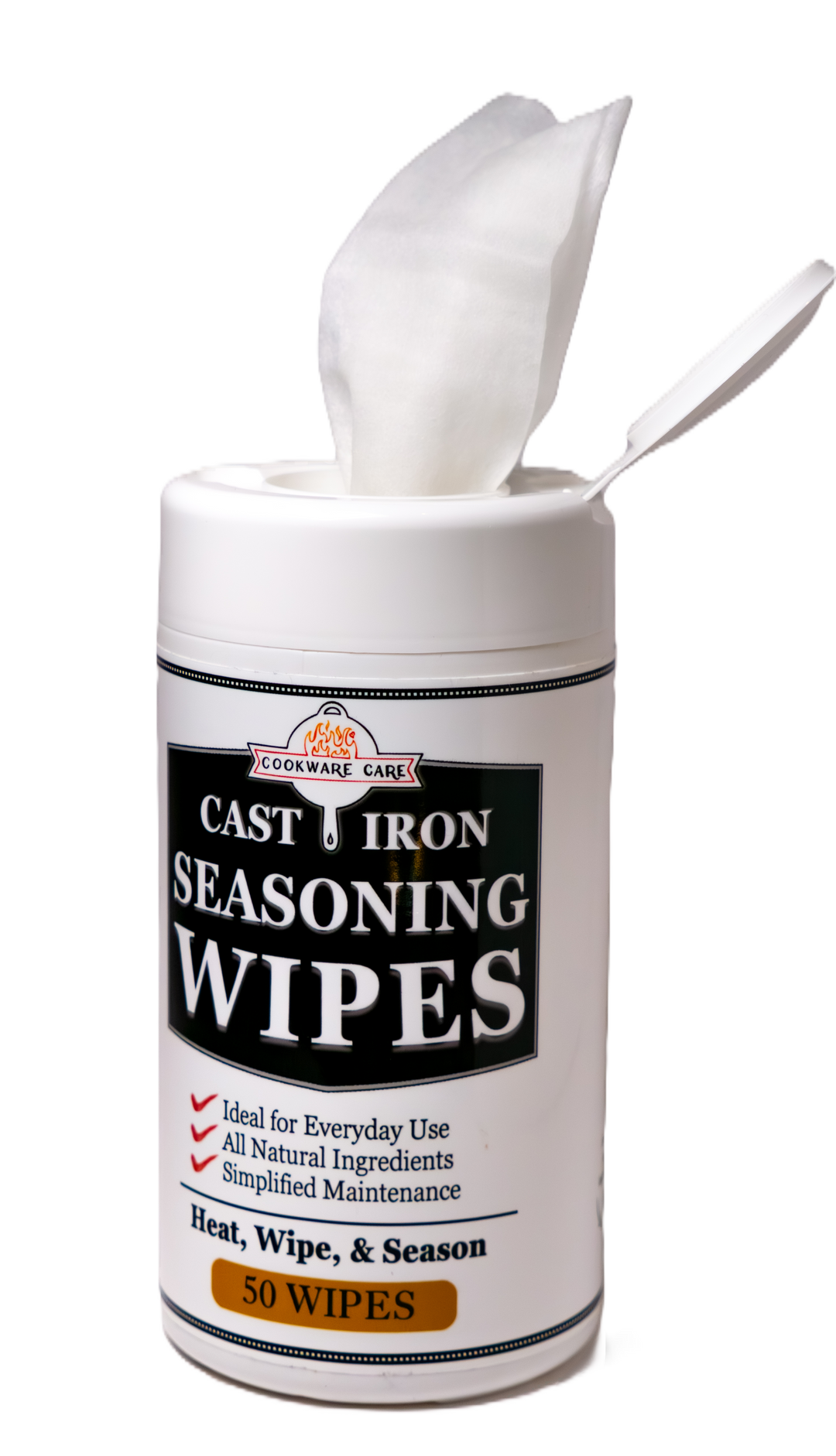
Making Maintenance Easier
Many of these mistakes happen when maintenance becomes inconvenient or inconsistent.
Anything that makes cleaning and applying oil simple tends to improve long-term results.
This is one of the reasons we focus on simplifying cast iron maintenance — because consistency usually matters more than complexity.
Frequently Asked Questions
What is the biggest mistake people make?
Leaving moisture in the pan after cleaning.
Why does my cast iron feel sticky?
Usually from too much oil or oil that didn't fully polymerize.
Why does my seasoning flake?
This often comes from carbon buildup or weak seasoning layers forming over time.
Is cast iron easy to ruin?
No. Most problems are reversible with proper maintenance.
Related Cast Iron Guides
- Can You Use Soap on Cast Iron?
- The Simple Daily Cast Iron Routine
- Why Heating Cast Iron After Oiling Matters
- Why Some Oils Season Cast Iron Better Than Others
About Cookware Care
Cookware Care focuses on simplifying cast iron maintenance through practical routines based on real-world use, product development experience, and daily cookware care.

Leave a comment