


Why Heating Cast Iron After Oiling Matters
One of the most important but often overlooked steps in cast iron care is what happens after you apply oil.
Applying oil alone doesn't build seasoning.
Heat is what turns oil into seasoning.
Understanding this step makes cast iron maintenance much easier and helps prevent many common problems.
What Heating the Pan Actually Does
When you heat a lightly oiled cast iron pan, several important things happen.
First, heat helps the oil thin out and spread into the microscopic texture of the iron.
As temperature increases, the oil begins to polymerize. This is the process where oil chemically changes from a liquid into a bonded protective layer.
This bonded layer is what we call seasoning.
Why Oil Alone Is Not Enough
Oil sitting on a cold pan is just oil.
Oil that has been properly heated becomes seasoning.
This is why heating even briefly after oiling makes such a difference in long-term maintenance.
If you're interested in why certain oils perform better during this process, you can also read our guide on why some oils season cast iron better than others.
Why Thin Oil Layers Matter
One of the most common mistakes is using too much oil.
Seasoning builds best when oil is applied in very thin layers that can polymerize evenly.
Thin layers allow:
- Even heating
- Better bonding
- Stronger seasoning
- Less stickiness
Too much oil can prevent proper polymerization and lead to sticky surfaces instead of durable seasoning.
Why Heating Also Prevents Rust
Heating does more than help oil bond.
It also removes moisture.
Water left on the surface is the main cause of rust. Brief heating helps evaporate hidden moisture and protect the pan.
If you want to see how this fits into a full maintenance routine, you can read our guide on the simple daily cast iron routine.
How Hot Does the Pan Need to Get?
For daily maintenance, you usually don't need to bring the pan to full smoke point.
You just need enough heat to:
- Dry the surface completely
- Warm the oil
- Help it spread evenly
This usually only takes a few minutes.
Full seasoning cycles are different from daily maintenance routines.
Common Mistakes With Heating
Most heating problems come from small misunderstandings:
- Using too much oil
- Skipping heating completely
- Putting the pan away while still damp
- Expecting instant results
Seasoning builds gradually through consistent maintenance.
Making Maintenance Easier
The hardest part of cast iron care usually isn't knowing what to do.
It's staying consistent with the routine.
Anything that makes applying thin oil layers quick and repeatable tends to produce better long-term results.
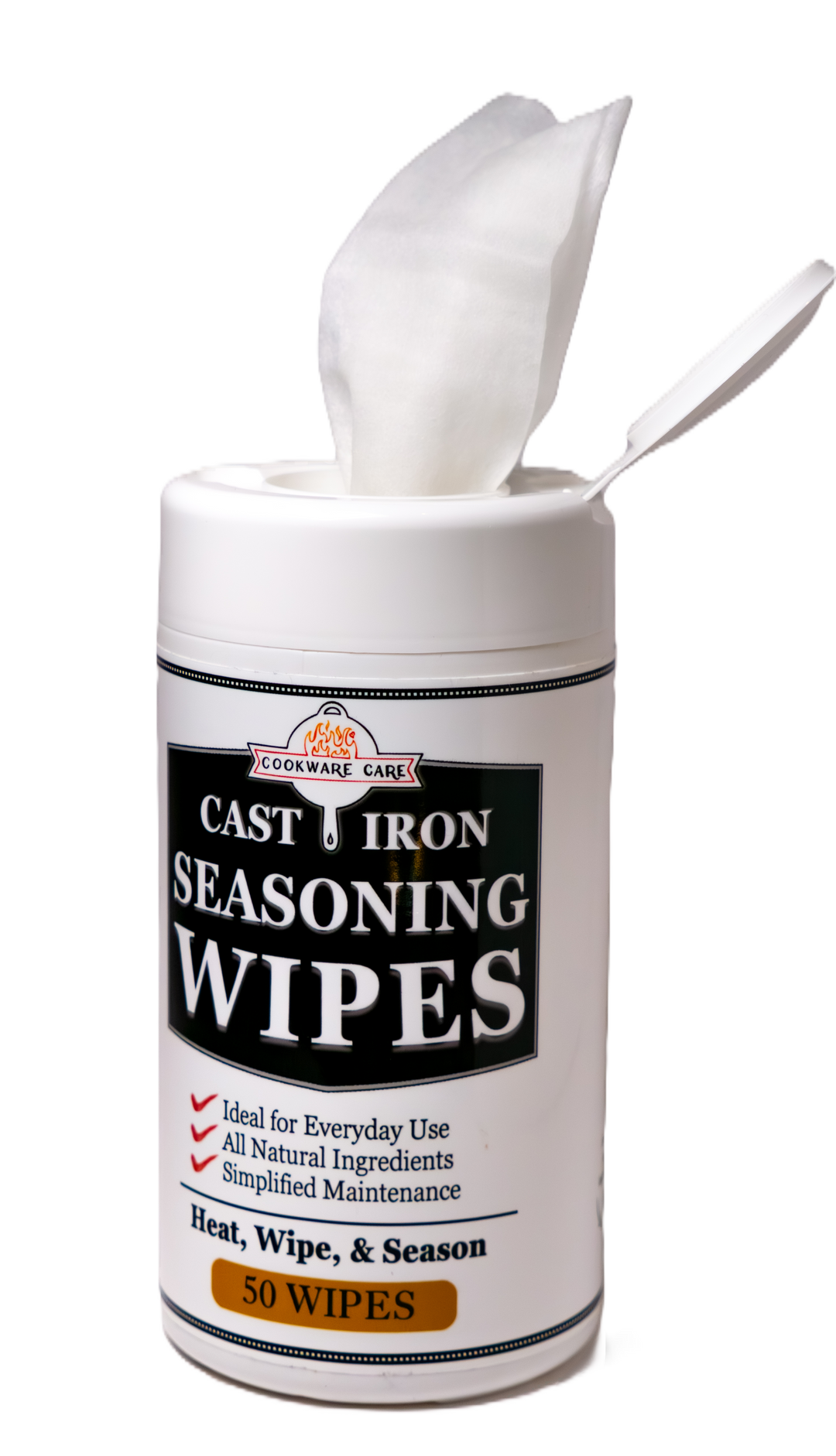
This is one of the reasons we developed Cookware Care Seasoning Wipes — to make applying consistent oil layers simple after cooking.
The goal isn't adding steps. It's making the routine easier to maintain.
Frequently Asked Questions
Do I need to heat the pan every time?
For best results, regular heating helps ensure moisture is removed and oil bonds properly.
Do I need to heat until it smokes?
Not for daily maintenance. Brief heating is usually enough.
What happens if I skip heating?
The oil may remain wet instead of bonding, which can lead to weaker seasoning or sticky surfaces.
Is this required after every cook?
Not always, but consistent maintenance usually prevents bigger problems later.
Related Cast Iron Guides
- Can You Use Soap on Cast Iron?
- The Simple Daily Cast Iron Routine
- Common Cast Iron Mistakes
- Why Some Oils Season Cast Iron Better Than Others
About Cookware Care
Cookware Care focuses on simplifying cast iron maintenance through practical routines based on real-world use, product development experience, and daily cookware care.
Leave a comment