How to Store Cast Iron Cookware Properly
Properly storing cast iron cookware is essential for maintaining its quality and durability. By following the right storage practices, you can prevent rust, maintain seasoning, and ensure that your cookware lasts for generations. In this article, we will explore the best methods for storing cast iron cookware to keep it in optimal condition.
Key Takeaways
- Store cast iron cookware in a dry and well-ventilated space to prevent moisture buildup.
- Clean and thoroughly dry the cookware before storing to avoid rust and maintain seasoning.
- Apply a thin layer of oil to the cookware before storage to protect it from moisture and air.
- Utilize racks or shelves to store the cookware, ensuring proper segregation and weight distribution.
- Proper storage of cast iron cookware prolongs its lifespan and maintains its cooking performance.
Choosing the Right Storage Location
Consider Ambient Conditions
When considering ambient conditions, it is crucial to assess the temperature and humidity of the storage area. Extreme temperatures and high humidity can lead to rust formation on cast iron cookware. A simple way to monitor these conditions is by using a hygrometer, which can provide valuable data on the environment. Furthermore, it is important to avoid storing cast iron without lids to prevent exposure to moisture and air, which can accelerate corrosion.
| Temperature | Humidity |
|---|---|
| 60-70°F | 40-50% |
- Proper ventilation is essential for maintaining optimal storage conditions.
It is imperative to protect cast iron cookware from unfavorable ambient conditions to ensure its longevity and performance.
Evaluate Moisture Levels
Moisture levels in the storage area are a critical factor in preserving the integrity of cast iron cookware. Excessive moisture can lead to rust and corrosion, compromising the quality of the cookware. To prevent this, it is essential to maintain a dry environment and regularly inspect the storage space for any signs of moisture. Consider using a moisture-absorbing agent such as silica gel packets to help control humidity. Additionally, storing the cookware in an airtight container can provide an extra layer of protection against moisture. Outdoor cast iron cookware storage should be avoided to minimize exposure to environmental elements. It's important to keep in mind that proper moisture control is key to prolonging the lifespan of your cast iron cookware.
Cleaning and Preparing the Cookware
Removing Residue
After removing residue from your cast iron cookware, it is crucial to ensure moisture prevention in cast iron storage. Excess moisture can lead to rust and corrosion, compromising the integrity of the cookware. Consider using a desiccant or moisture-absorbing agent in the storage area to maintain optimal conditions. Additionally, a simple and effective way to prevent moisture buildup is to place a moisture-absorbing packet or a small bowl of uncooked rice near the cookware. This will help to absorb any excess moisture and protect the cookware from damage.
Applying a Protective Coating
*After thoroughly drying the cookware, apply a thin layer of oil to the entire surface, including the handle and exterior. This will help to prevent rust and maintain the seasoning. Here's a quick guide to the best oils for seasoning:
| Oil Type | Benefits |
|---|---|
| Flaxseed Oil | High smoke point, durable seasoning |
| Canola Oil | Neutral flavor, easily accessible |
| Avocado Oil | High smoke point, long-lasting seasoning |
It is important to note that using soaps or detergents is not recommended for maintaining the seasoning of cast iron cookware. Instead, use a chainmail scrubber or a soft brush to remove any residue. Remember to always dry the cookware thoroughly after cleaning to prevent rust.
Proper maintenance and care of cast iron cookware can significantly extend its lifespan and ensure optimal cooking performance. It is essential to invest in high-quality products such as Seasoning Wipe and Seasoning Oil to protect your cookware and preserve its natural non-stick properties.
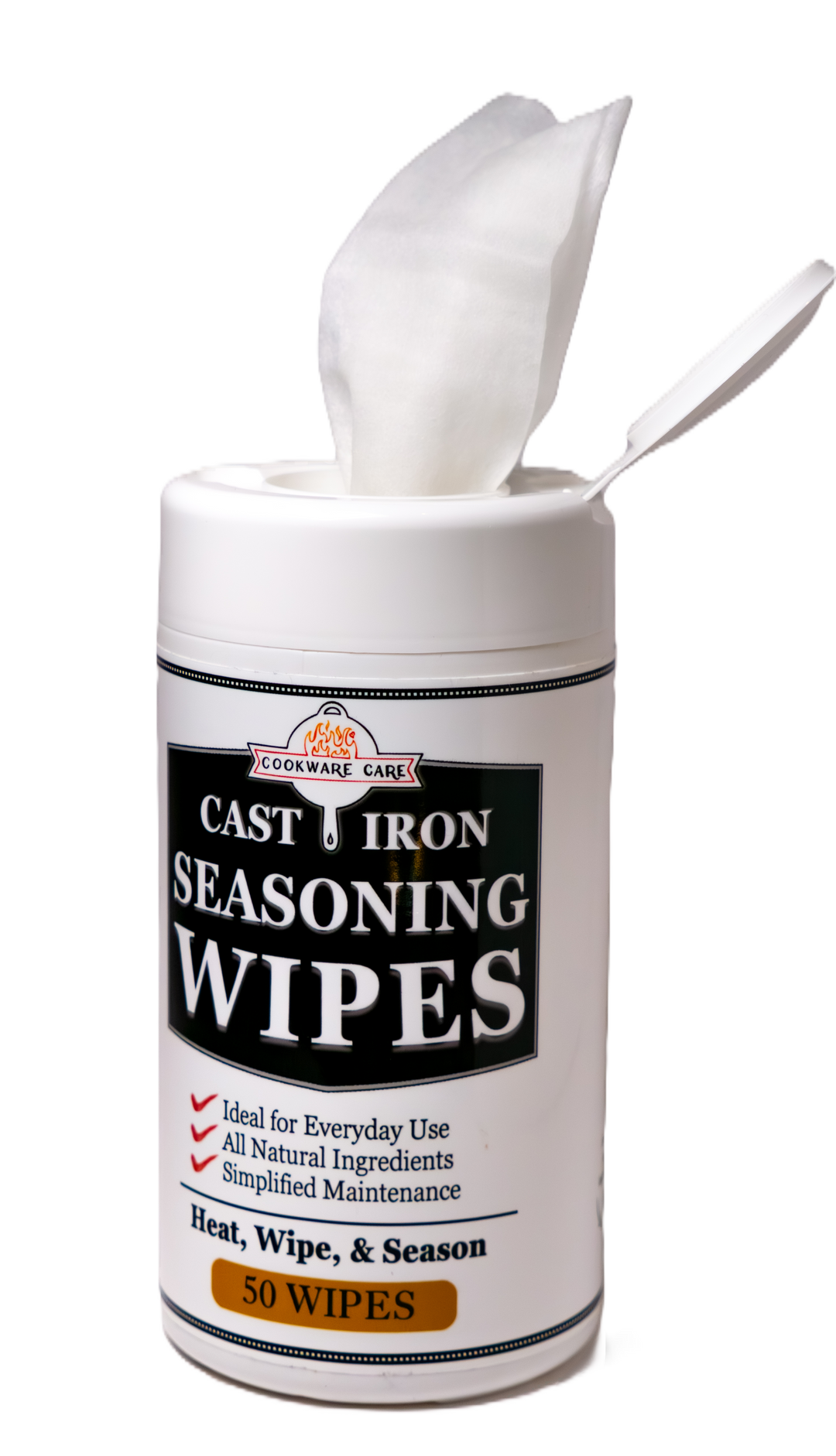
The final step — a light coat of oil before storing — takes 10 seconds with our Seasoning Wipes. No bottles, no greasy paper towels.
Organizing the Storage Space
Utilizing Racks or Shelves
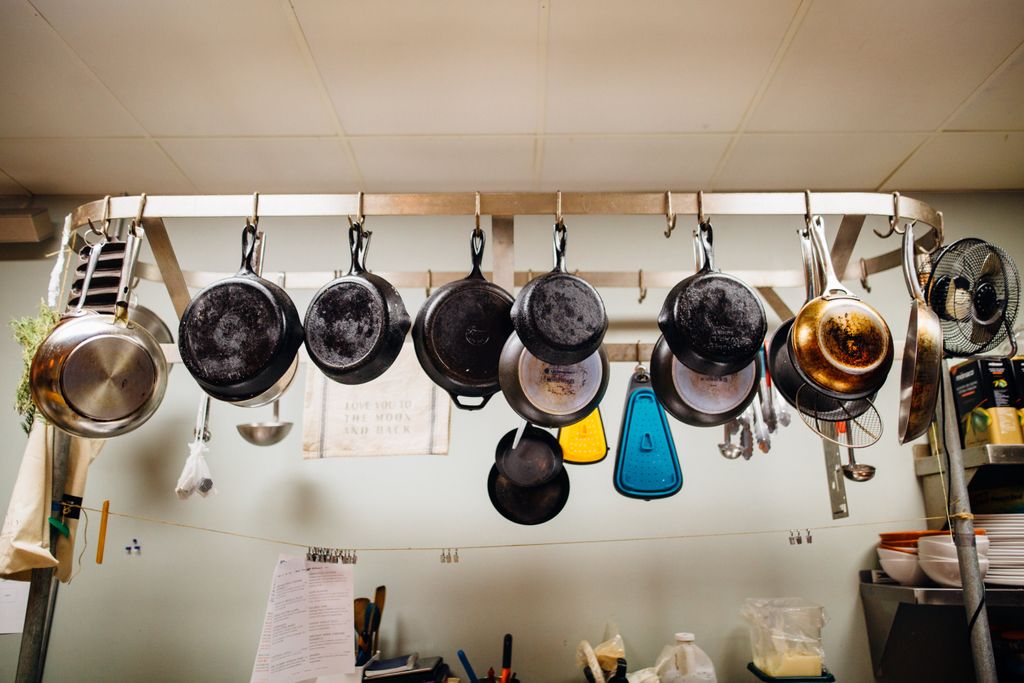
After choosing the appropriate racks or shelves for your cast iron cookware, it is essential to ensure proper segregation and weight distribution. This can be achieved by placing heavier items at the bottom and lighter ones on top. Additionally, consider using a protective coating on the cookware to prevent rust and damage. When drying your skillet, avoid using heat to prevent warping and maintain its integrity. Assess the storage area for any potential moisture sources, and implement measures to maintain optimal conditions for your cookware. It is crucial to follow these guidelines to preserve the quality of your cast iron cookware for years to come.
Implementing Proper Segregation
Implementing proper segregation is essential for organizing a storage space that ensures the longevity of cast iron cookware. Utilizing separate compartments for different types of cookware is a recommended practice to prevent scratching, chipping, or damage. This can be achieved through the use of a simple table as shown below:
| Cookware Type | Storage Location |
|---|---|
| Skillets | Hanging Rack |
| Dutch Ovens | Bottom Shelf |
| Griddles | Middle Shelf |
The table above provides a clear guideline for the best method of storing skillets and other cookware, promoting efficient organization and protection of the cookware. Proper segregation also involves considering the weight distribution of the cookware, ensuring that heavier items are stored on lower shelves or racks to prevent accidents and damage. In addition, it is important to implement a routine for periodic inspection and reorganization of the storage space to maintain optimal conditions for the cookware. This practice promotes the long-term maintenance benefits of cast iron cookware and encourages a superior and more convenient way of maintaining cast iron.
Conclusion
Summary of Best Practices
After following the best practices for storing cast iron cookware, it is crucial to summarize the key points for future reference. The table below outlines the main practices, while the list presents additional tips for long-term maintenance. Remember, proper storage is essential for preserving the quality and durability of your cookware.
| Best Practices |
|---|
| Consider Ambient Conditions |
| Evaluate Moisture Levels |
| Assess Air Circulation |
- Implement a regular cleaning routine
- Avoid stacking cookware to prevent damage
- Store cookware in a dry environment
Proper storage techniques contribute to the longevity of cast iron cookware and ensure that it remains in optimal condition for years to come.
Importance of Proper Storage
*Proper storage of cast iron cookware is crucial for maintaining its quality and longevity. By implementing effective cast iron storage methods, you can ensure that your cookware remains in optimal condition, free from rust and corrosion. It is essential to store cast iron in a dry environment with adequate air circulation to prevent moisture buildup. Additionally, utilizing racks or shelves for storage, along with proper segregation and weight distribution, can further enhance the preservation of your cookware. Remember, the way you store your cast iron can significantly impact its performance and durability. As the saying goes, a little care goes a long way.
Long-Term Maintenance Benefits
Long-Term Maintenance Benefits
After implementing the best practices for storing cast iron cookware, the long-term maintenance benefits are significant. Proper storage helps maintain the quality and durability of the cookware, ensuring it lasts for generations. Additionally, it reduces the risk of rust and corrosion, preserving the cooking surface for optimal performance. The table below highlights the key long-term maintenance benefits:
| Benefit | Description |
|---|---|
| Quality and Durability | Proper storage ensures the cookware maintains its quality and durability, lasting for generations. |
| Rust and Corrosion Control | Reduced risk of rust and corrosion, preserving the cooking surface for optimal performance. |
These benefits underscore the importance of implementing proper storage practices and the value of long-term maintenance for cast iron cookware. As we strive to provide a healthier and more environmentally friendly cooking experience, maintaining the integrity of our products is essential. Proper storage is the foundation for achieving this goal.
Frequently Asked Questions
How often should I reapply the protective coating?
It is recommended to reapply the protective coating after every use to maintain the cookware's seasoning and prevent rusting.
Can cast iron cookware be stored in a humid environment?
It is not advisable to store cast iron cookware in a humid environment as it can lead to rust and deterioration of the seasoning.
What is the best way to remove stubborn residue from cast iron cookware?
A mixture of coarse salt and oil can be used to scrub and remove stubborn residue from cast iron cookware without damaging the seasoning.
Should I stack cast iron cookware when storing them?
It is best to avoid stacking cast iron cookware to prevent scratching and chipping of the seasoning. Opt for storing them in a single layer if possible.
Can cast iron cookware be stored in direct sunlight?
It is not recommended to store cast iron cookware in direct sunlight as it can cause the seasoning to deteriorate and lead to potential rusting.
Is it necessary to season the cookware before storing it?
It is advisable to season the cookware before storing it to maintain its protective layer and prevent rusting during storage.