


Can You Cook Acidic Foods in Cast Iron? (What Actually Matters)
<p>One of the most common pieces of advice people hear about cast iron is to never cook acidic foods.</p>
<p>Like many cast iron rules, this is partially true but often oversimplified.</p>
<p>The real answer depends on seasoning strength, cooking time, and maintenance habits.</p>
<div style="background:#f7f3ef;padding:18px;border-radius:8px;margin:25px 0;border-left:4px solid #c49a6c;">
<strong>Quick Answer:</strong> You can cook acidic foods in cast iron occasionally. Long simmering of highly acidic foods can wear seasoning, but normal cooking usually isn't a problem if maintenance is consistent.
</div>
<hr>
<h2>Why Acidic Foods Get Mentioned</h2>
<p>Acidic foods like tomatoes, vinegar, wine, and citrus can slowly interact with seasoning layers.</p>
<p>Long cooking times can gradually weaken weaker seasoning.</p>
<p>This is why older advice often said to avoid acidic foods completely.</p>
<p>But most normal cooking situations are much shorter than those extreme cases.</p>
<hr>
<h2>When Acidic Cooking Is Usually Fine</h2>
<p>Most everyday cooking is completely fine, especially when:</p>
<ul>
<li>The pan has stable seasoning</li>
<li>Cooking times are short</li>
<li>Maintenance is consistent</li>
<li>Acid isn't simmered for long periods</li>
</ul>
<p>Cooking something like a quick tomato sauce for a few minutes usually isn't a major issue.</p>
<hr>
<h2>When You Might Want To Be Careful</h2>
<p>Situations where seasoning may be affected include:</p>
<ul>
<li>Long simmering of tomato sauces</li>
<li>Highly acidic reductions</li>
<li>Newly seasoned pans</li>
<li>Pans with weak seasoning</li>
</ul>
<p>In these cases, seasoning may dull slightly and just need routine maintenance afterward.</p>
<hr>
<h2>What Actually Happens If Seasoning Weakens</h2>
<p>If acidic foods affect seasoning, the usual result is simply that the surface may look slightly dull or dry.</p>
<p>This usually isn't damage.</p>
<p>It just means the surface protection needs to be refreshed.</p>
<p>If you want to understand when reseasoning is actually needed, you can read our guide on <a href="/blogs/cookware-care-knowledge-base/how-often-should-you-season-cast-iron">how often you should season cast iron</a>.</p>
<hr>
<h2>Why Maintenance Matters More Than Avoidance</h2>
<p>The best approach usually isn't avoiding certain foods.</p>
<p>It's maintaining your pan well.</p>
<p>Drying properly and applying thin oil layers usually keeps seasoning stable even with varied cooking.</p>
<p>If you'd like a simple routine, see our guide on <a href="/blogs/cookware-care-knowledge-base/how-to-maintain-cast-iron-quickly-after-cooking">how to maintain cast iron quickly</a>.</p>
<hr>
<h2>Signs Your Pan Is Handling Acid Well</h2>
<p>A well maintained pan usually shows:</p>
<ul>
<li>Stable cooking performance</li>
<li>Minimal sticking</li>
<li>Even surface appearance</li>
<li>Easy recovery with maintenance</li>
</ul>
<p>Seasoning is resilient when built gradually through consistent use.</p>
<hr>
<h2>Why This Advice Gets Overstated</h2>
<p>Many cast iron rules come from worst-case scenarios rather than everyday use.</p>
<p>Cast iron is generally more forgiving than people expect.</p>
<p>Most problems are maintenance issues, not ingredient issues.</p>
<hr>
<h2>Making Recovery Simple</h2>
<p>If seasoning ever looks slightly worn after cooking acidic foods, normal maintenance usually restores protection.</p>
<p>Cleaning, drying, applying thin oil, and heating briefly usually resolves minor wear.</p>
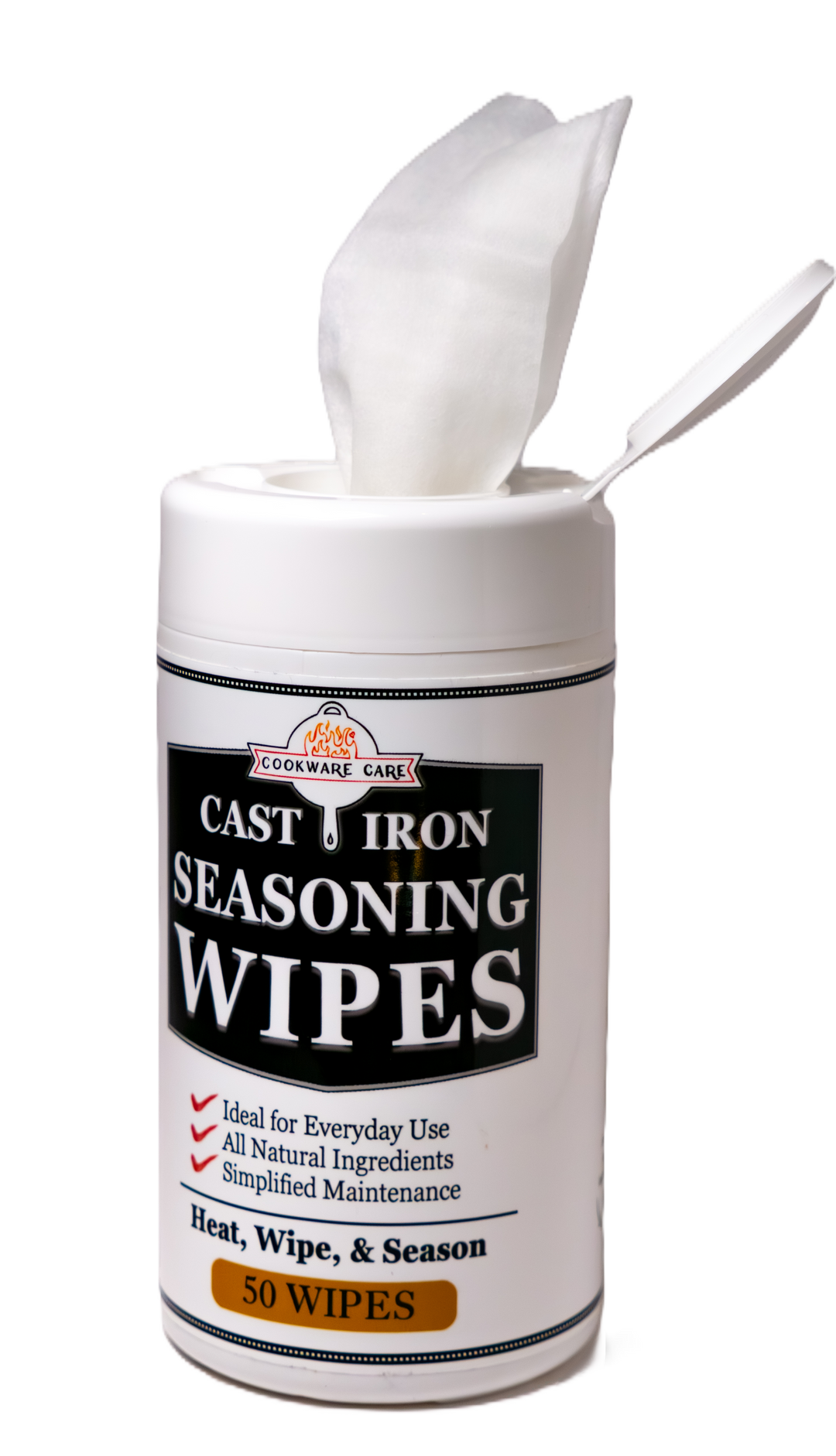
<p>This is one reason we developed <a href="/products/seasoning-wipes">Cookware Care Seasoning Wipes</a> — to make quick maintenance simple after cooking.</p>
<p>The goal isn't avoiding foods.</p>
<p>The goal is making maintenance easy.</p>
<hr>
<h2>Frequently Asked Questions</h2>
<h3>Will tomatoes ruin cast iron?</h3>
<p>No. Occasional cooking usually isn't a problem. Long simmering may slightly wear seasoning.</p>
<h3>Can I cook pasta sauce in cast iron?</h3>
<p>Short cooking times are usually fine. Long simmering may require maintenance afterward.</p>
<h3>What if my pan looks dull after cooking acidic foods?</h3>
<p>This usually just means surface protection needs refreshing with normal maintenance.</p>
<h3>Should beginners avoid acidic foods?</h3>
<p>Newly seasoned pans may be more sensitive, but normal cooking usually becomes easier as seasoning improves.</p>
<hr>
<h2>Related Cast Iron Guides</h2>
<ul>
<li><a href="/blogs/cookware-care-knowledge-base/how-often-should-you-season-cast-iron">How Often You Should Season Cast Iron</a></li>
<li><a href="/blogs/cookware-care-knowledge-base/how-to-maintain-cast-iron-quickly-after-cooking">How to Maintain Cast Iron Quickly</a></li>
<li><a href="/blogs/cookware-care-knowledge-base/common-cast-iron-mistakes-that-cause-rust-and-sticky-pans">Common Cast Iron Mistakes</a></li>
<li><a href="/blogs/cookware-care-knowledge-base/why-heating-cast-iron-after-oiling-matters">Why Heating Matters</a></li>
</ul>
<hr>
<h2>About Cookware Care</h2>
<p>Cookware Care focuses on simplifying cast iron maintenance through practical routines based on real-world use, product development experience, and daily cookware care.</p>
Leave a comment